Understanding the psychology behind gambling what drives the risk-taker
The Allure of Risk
Gambling captivates individuals by tapping into the allure of risk, appealing to our innate desire for excitement and unpredictability. This psychological pull is deeply rooted in the thrill of not knowing the outcome, creating an adrenaline rush that can be incredibly intoxicating. The uncertainty surrounding each bet fuels the excitement, encouraging individuals to take calculated risks in pursuit of potential rewards, such as when they explore online pokies for fun.
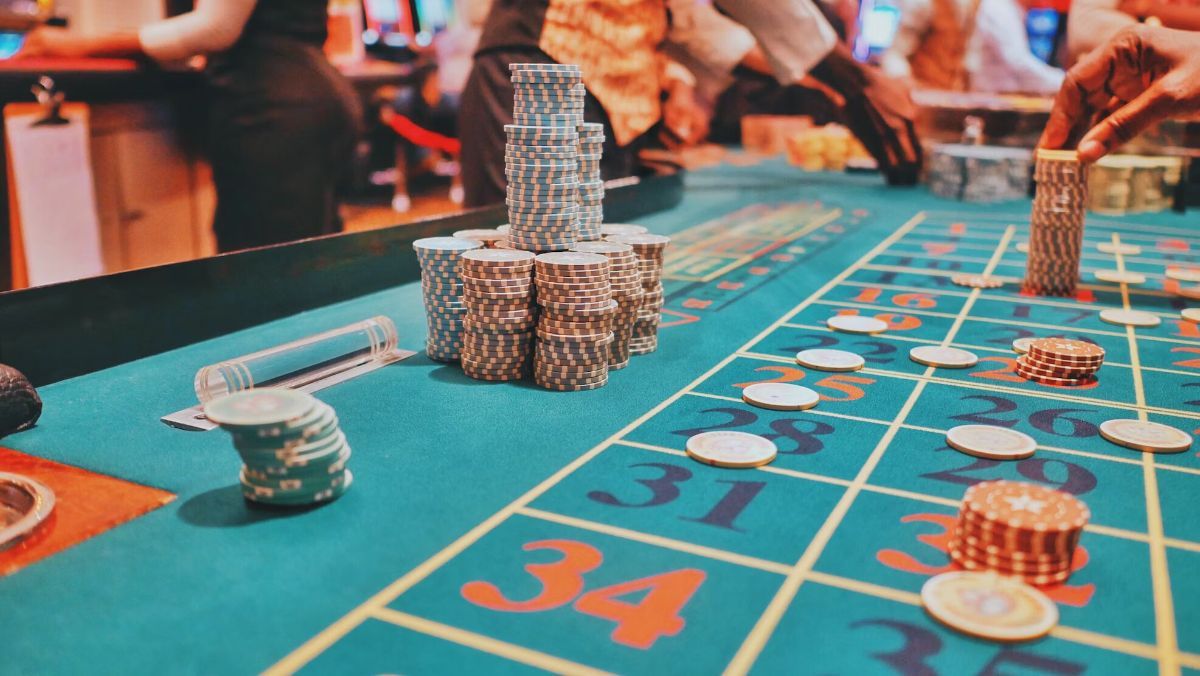
The notion of risk in gambling often serves as a powerful motivator. People are drawn to the idea of winning big, and this hope for a life-changing jackpot can override logical reasoning. It is this emotional connection to risk that drives many players to gamble, often leading them to engage with various games, whether at a casino or online.
The Role of Reward Systems
The brain’s reward system plays a crucial role in the psychology of gambling. When a person wins, their brain releases dopamine, a neurotransmitter associated with pleasure and reward. This biological reaction reinforces the behavior, making them more likely to gamble again in the future. The feeling of euphoria that accompanies a win can overshadow the losses, leading individuals to chase their next high.
Moreover, intermittent rewards, such as small wins amidst losses, can keep players engaged longer than they initially intended. This creates a cycle where the potential for rewards outweighs the rational understanding of the risks involved. The anticipation of winning can lead to increased gambling behavior, further complicating the relationship between risk and reward.
The Influence of Cognitive Biases
Cognitive biases significantly influence gambling behavior, often leading individuals to make irrational decisions. One common bias is the illusion of control, where players believe they can influence the outcome of a game, even in games of chance. This misconception can prompt individuals to gamble more frequently, as they feel they possess an edge over the game.
Another significant bias is the gambler’s fallacy, where individuals believe that past outcomes affect future results. For instance, if a player has experienced a string of losses, they might irrationally believe that a win is “due.” These biases can cloud judgment, driving risk-taking behavior and ultimately leading to increased gambling engagement.
The Social Aspect of Gambling
Social factors also play a vital role in the psychology behind gambling. Many people engage in gambling as a social activity, whether in a physical casino or through online platforms. The camaraderie experienced while gambling with friends can enhance the thrill and enjoyment, encouraging individuals to take more significant risks.
Furthermore, the perception of gambling as a socially acceptable activity can influence behavior. In environments where gambling is celebrated, individuals may feel compelled to participate, often disregarding the associated risks. The combination of social interaction and risk can create a potent mix that keeps players returning for more.

Your Gateway to Understanding Online Gambling
This website serves as an essential resource for those interested in exploring the world of online gambling. Here, you can find comprehensive information about the various platforms available, as well as detailed reviews that highlight safe betting practices and the latest promotions. We aim to empower players with the knowledge they need to make informed decisions.
Whether you’re new to online gambling or a seasoned player, our curated content will guide you through the complexities of casino games and betting strategies. Explore your options, understand the risks involved, and enjoy a responsible gaming experience in a vibrant online community.
Hai qualche idea?
Condividi la tua reazione o lascia una risposta rapida: ci piacerebbe sapere cosa ne pensi!
-
 0
0 -
 0
0 -
 0
0 -
 0
0 -
 0
0 -
 0
0